

Blog

Is Face Paint Safe for Sensitive Skin?
A Parent's Complete Guide

magic of colours

Magic of Colours

9th December 2025

4 mins read

Every parent knows that moment: your child’s eyes light up at the idea of face painting, but you hesitate. Is this safe? Will it irritate their skin? What if they have a reaction?

You’re not alone. With sensitive skin affecting up to 70% of people at some point in their lives, these concerns are completely valid. Here’s everything you need to know about face paint safety for sensitive skin.

The Short Answer: Yes, But Choose Wisely

Quality face paint, when chosen correctly and applied properly, is safe for most sensitive skin types – including children. The key is understanding what makes face paint skin-safe and knowing what to look for.

What Makes Face Paint "Safe"?

Professional-grade face paints are:

  • Water-based (not oil-based)
  • Non-toxic and FDA compliant
  • Hypoallergenic and dermatologically tested
  • Free from harmful chemicals
  • Designed specifically for use on skin (not craft paint!)

At Magic of Colours, we exclusively use premium TAG and Global face paints – trusted brands that meet international safety standards and are gentle enough for even the most sensitive skin.

Red Flags: Ingredients to Avoid

When choosing face paint (whether DIY or at an event), steer clear of:

❌ Parabens – Preservatives that can cause irritation
❌ Lead and heavy metals – Never acceptable in face paint
❌ Fragrances – Common irritants for sensitive skin
❌ Latex – A known allergen
❌ Formaldehyde – Found in some cheap face paints

✅ Look for: “hypoallergenic,” “dermatologically tested,” “FDA compliant,” and specific brand names like Snazaroo, TAG, Paradise, or Global.

Common Sensitive Skin Concerns

Eczema

Children with eczema can usually tolerate quality face paint, but avoid painting over active flare-ups or broken skin. Stick to areas where skin is currently healthy, and always do a patch test first.

Allergies

True allergic reactions to professional face paint are rare but possible. If your child has known allergies (especially to cosmetics), inform your face painter beforehand.

Reactive Skin

Some children simply have skin that reacts to new products. A small patch test 24 hours before the event can prevent disappointment.

The Patch Test: Your Safety Net

Here’s how to do it:

  1. Apply a small amount of face paint to the inner wrist or behind the ear
  2. Leave it on for 20-30 minutes
  3. Remove with soap and water
  4. Check the area for 24 hours
  5. Look for: redness, itching, swelling, or irritation

No reaction? You’re good to go!

During the Face Painting: What to Watch For

Most reactions happen during or immediately after application. Watch for:

  • Immediate redness or hives
  • Itching or burning sensation
  • Watery eyes (if painted near eyes)
  • Discomfort your child expresses

If any occur: Remove the paint immediately with gentle soap and water. Most reactions resolve quickly once paint is removed.

The Removal Process Matters Too

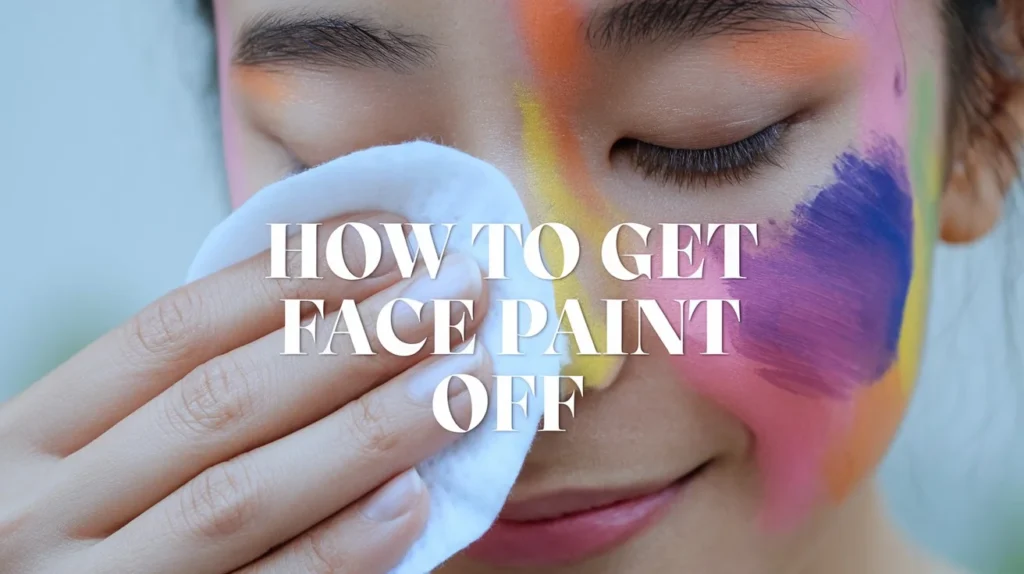
Harsh scrubbing can irritate even non-sensitive skin. Here’s the gentle method:

  1. Apply soap first – Lather before adding water
  2. Be patient – Let the soap break down the paint
  3. Use soft materials – A gentle cloth or face sponge, never rough scrubbing
  4. Follow up – Apply their regular moisturizer after

For sensitive skin, baby oil or coconut oil can help dissolve paint while moisturizing.

Questions to Ask Your Face Painter

Before the brush touches skin, don’t hesitate to ask:

  • What brand of face paint do you use?
  • Are your paints hypoallergenic and FDA compliant?
  • Have you worked with sensitive skin before?
  • Can you avoid certain areas if needed?
  • Do you sanitize brushes between children?

A professional face painter will welcome these questions and have confident answers.

When to Skip Face Painting

Avoid face painting if your child:

  • Has sunburned skin
  • Has active eczema flare-ups or broken skin
  • Recently had a known allergic reaction to cosmetics
  • Is recovering from a facial rash or infection
  • Is extremely young (under 3) and prone to rubbing eyes

There’s no shame in sitting one out – their safety comes first!

The Magic of Colours Promise

We believe every child deserves the magic of face painting without the worry. That’s why we:

  • Use only premium, hypoallergenic face paints
  • Maintain rigorous hygiene standards
  • Welcome questions about products and safety
  • Offer gentle alternatives for very sensitive skin
  • Never paint over compromised skin

Bottom Line

Quality face paint from reputable brands and professional painters is generally safe for sensitive skin. With proper precautions – choosing the right products, doing patch tests when needed, and removing paint gently – most children can enjoy face painting safely.

Your child’s wonder and joy matter, but so does their comfort and safety. When both are prioritized, that’s when the real magic happens.

Have specific concerns? Contact us – we’re here to help you make the best decision for your child.

Table of Contents

Recent Posts

Is Face Paint Safe for Sensitive Skin? A Parent’s Complete Guide

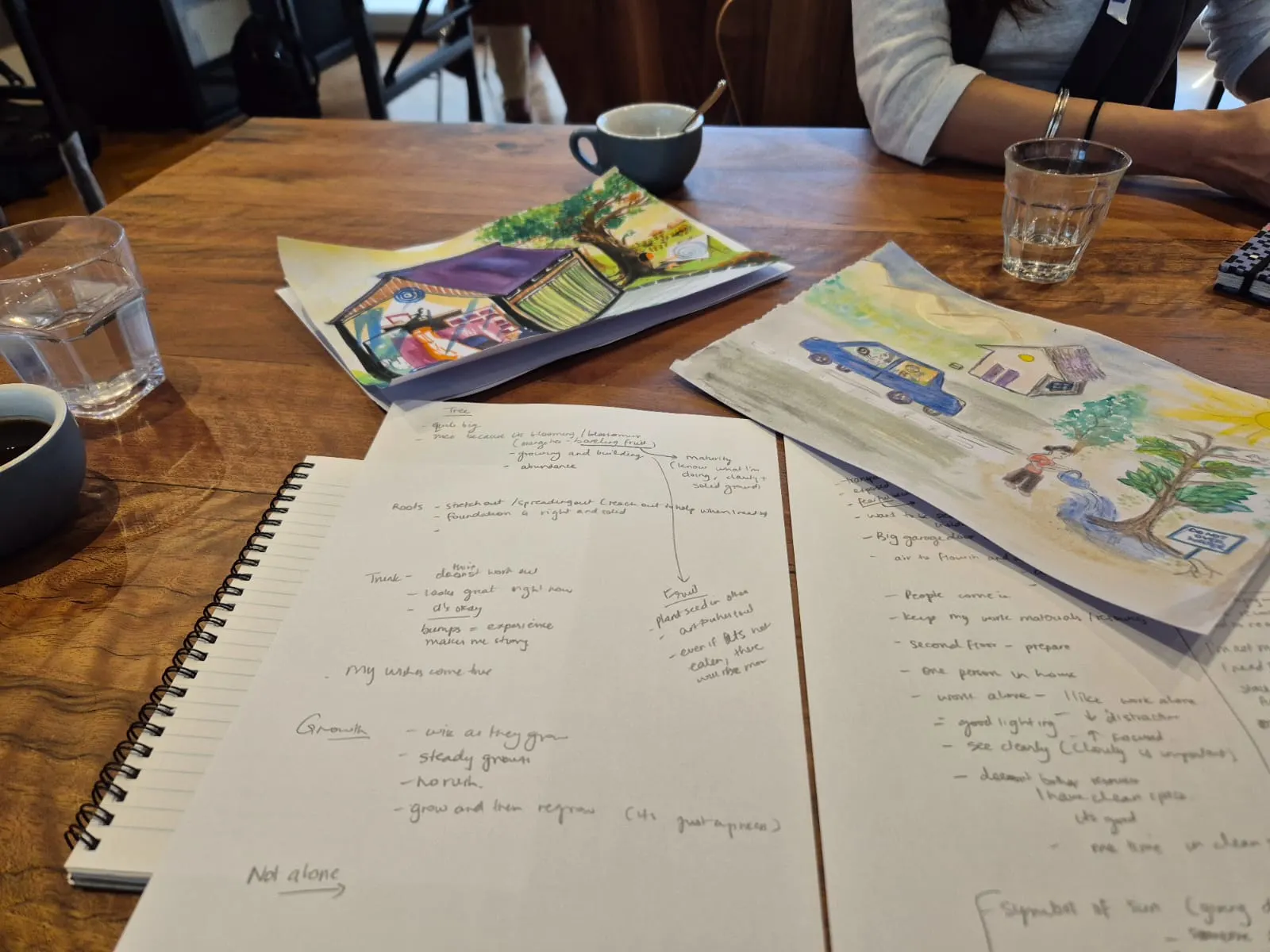
Art Therapy is a powerful way to connect with yourself through creativity. It offers a space where you can explore your feelings, experiences, and inner thoughts using colours, shapes, textures, and more — even if you don't consider yourself "an artist."

Healing Through Art: A Look at Art Therapy

Lorem ipsum dolor sit amet, consectetur adipisicing elit, sed do eiusmod tempor incididunt ut labore et dolore magna aliqua. Ut…
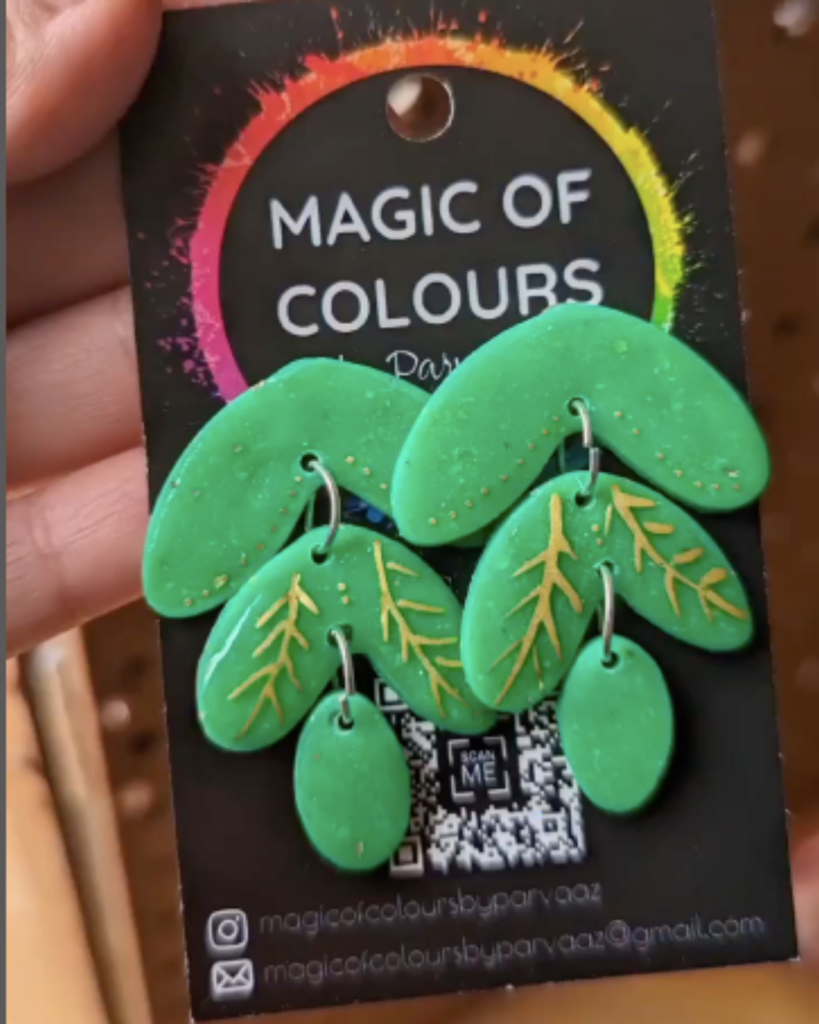
Behind the Scenes: How We Create Our Resin Jewelry

Lorem ipsum dolor sit amet, consectetur adipisicing elit, sed do eiusmod tempor incididunt ut labore et dolore magna aliqua. Ut…

The Recognition

Humbled and Honored

Art Therapy

Healing Through Creativity

Art isn’t just beautiful – it’s transformational. As a certified Art Therapist, Parvaaz offers guided sessions where colours become conversations and creativity unlocks healing. Whether you’re seeking calm, exploring emotions, or simply want to reconnect with yourself, art therapy provides a safe space to express what words cannot.

Our Gallery